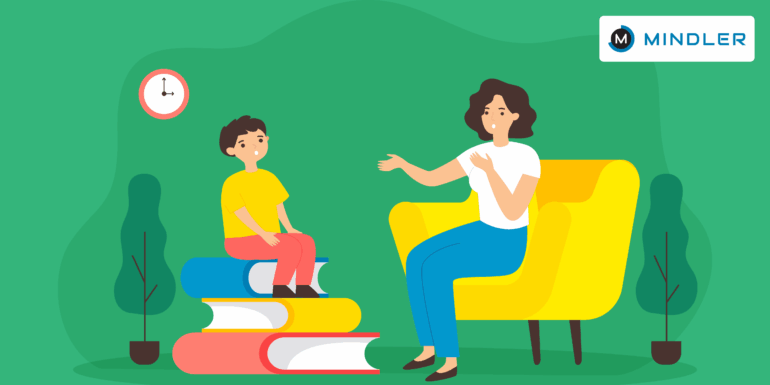
In the rapidly changing educational landscape, it has become vital to provide support to learners in all areas, such as academics, emotions, and careers, and one of such supporting figures is a school counsellor who not only guides them through these transitions but also empowers students by resilience building, decision making, and skills development for the future.
The increasing demand for counsellors in schools has led to a more systematic and reformed pathway of becoming a counselling professional, including such steps as issuing structured qualifications, establishing specialised school counseling programs and granting practical certificates that correspond with international best practices.
This guide explains everything you need to know, including degrees, eligibility, certifications, job roles, and opportunities, while addressing common questions about what the journey looks like.
What Does a School Counselor Do?
A school counselor supports students’ academic performance, emotional wellbeing, personal growth, and career decision-making.
Their responsibilities typically include:
- The common duties they usually take up are:
- Carrying out personal counselling sessions
- Creating guidance programmes for the whole school
- Helping with behaviour issues and crisis situations
- Guiding through the process of career choice and academic planning
- Collaborating with parents and teachers to improve student’s performance
- Organising assessments, workshops, and growth activities
In India, the National Education Policy (NEP) has significantly increased the need for skilled counsellors who understand career pathways, psychometric assessments, and early intervention strategies. Schools are now focusing on structured frameworks, which you can learn more about in Mindler’s detailed guide on building a NEP-ready career guidance ecosystem.
Step-by-Step: How to Become a School Counselor
Becoming a school counsellor follows a clear pathway, and understanding each step can help you plan your journey with confidence.
1. Complete a Relevant School Counsellor Degree
The first step is earning a recognised school counsellor degree. Common undergraduate pathways include:
- BA/BSc in Psychology
- BA in Education
- BSW (Bachelor of Social Work)
At the postgraduate level, you can specialise further through:
- MA/MSc in Psychology
- M.Ed. in Counselling
- Postgraduate Diploma in Guidance and Counselling
These programmes help you gain knowledge of child development, counselling techniques, behavioural psychology, and academic intervention strategies.
2. Enrol in Certified School Counselling Programs
The most important move after getting your degree is to take professional school counselling programs that will allow you to gain hands-on experience in counselling.
Usually, these programs emphasise:
- Theories and methods of counselling
- Management of cases with ethical considerations
- Instruments of career guidance
- Personality tests and measurements
- The frameworks for the well-being of students
A highly recognised credential in India is the International Certified Career Coach (ICCC) Certification by Mindler, developed in partnership with UCLA Extension. It equips future counsellors with globally aligned counselling skills, assessment literacy, and hands-on school experience.
3. Gain Practical Experience Through Internships or School Exposure
Theoretical knowledge without practical experience in the field of counselling is not good at all. The area of preference for Schools now is those that have already built their experience in the following fields:
- Conducting student sessions
- Organising career and life-skills workshops
- Supporting academic planning
- Using psychometric tools
- Working with teachers and parents
You can begin by interning with schools, NGOs, child development centres, career counselling platforms, or online mentorship organisations.
For tools and structured techniques that counsellors use daily, refer to Mindler’s guide on effective school career counselling tools and strategies.
Essential Skills Required to Become a Student Counsellor
A competent student counsellor should exhibit a perfect combination of interpersonal, analytical, and emotional skills.
The most in-demand skills include:
- Empathy and active listening
- Observation and assessment skills
- Decision-making and problem-solving abilities
- Crisis management
- Communication and classroom facilitation
- Understanding of career pathways and education systems
- Ability to coordinate with parents, teachers, and administrators
These skills form the foundation of meaningful student interactions and long-term career growth.
Certifications That Strengthen Your Career as a School Counsellor
Although degrees offer academic training, certifications serve the purpose of equipping you with practical skills in counselling and career guidance, thus making you an expert.
Some of the most useful certifications include:
- ICCC Certification (Level 1–3): An internationally accepted and acknowledged certification for future professional counsellors aimed at preparing the staff in concepts of career guidance, interpretation of psychometric tests, delivery of counselling and student involvement.
- Child Psychology and Counselling Courses: Offered by universities and ed-tech platforms, these programmes focus on behavioural understanding, emotional development, and intervention techniques.
- Mental Health and Wellness Certifications: Short-term courses that deepen understanding of stress management, anxiety, motivation-building, and wellbeing frameworks for school environments.
Career Opportunities for School Counsellors
The demand for qualified school counsellor professionals is rising quickly across India.
You can work in:
- Private and international schools
- Counselling centres
- NGOs and youth organisations
- Ed-tech platforms
- Career guidance companies
- Skill development and vocational training centres
Specialised roles include:
- Academic counsellor
- Career coach
- Mental health and wellbeing counsellor
- Behavioural specialist
- Student success coordinator
Career Growth and Salaries
Career advancement is primarily influenced by qualities, certifications, and experience. Newly graduated counsellors often start their careers as trainees or assistant counsellors, and on the other hand, skilled practitioners can easily go up to the following positions:
- Lead counsellors
- School counselling coordinators
- Head of student wellbeing
- Career guidance department heads
Compensation varies widely, but experienced counsellors with strong training and certifications often progress into leadership roles within 5–7 years.
Why AI Skills Are Becoming Important for School Counsellors
The modern-day counsellors are required to have a clear understanding of the digital career routes, among which are AI and data science, which are also coming up. There are numerous enquiries from the students asking, for instance, how to become a gen ai engineer, which course is the best for generative ai, or whether the best gen ai course can provide them the necessary skills for the new-age tech careers.
A modern counsellor must therefore stay updated on:
- generative ai course options
- Career pathways in ai engineering
- Popular generative AI courses
- Certifications like the ibm ai engineering professional certificate
- Steps to become an AI engineer
- Skills needed for an AI ML engineer
- Fields such as artificial intelligence and machine learning engineering
- Credentials like a certified artificial intelligence engineer
- Availability of a generative AI course free with certificate
- Industry-valued certificates, such as the IBM generative AI engineering professional certificate
- Comprehensive generative AI engineering course pathways
- Core gen ai engineer skills
Understanding these domains helps school counsellors provide accurate guidance on futuristic careers, making them more effective and relevant to students’ aspirations.
Conclusion
The journey to becoming a school counsellor is a very rewarding one for individuals who love to help young people overcome their academic and personal problems. By earning the necessary school counsellor degree, completing certified school counselling programs, and acquiring hands-on experience, you are able to develop a satisfying and ready for a future counselling career. The introduction of organised guidance systems in schools will mean that professional counsellors will have a greater impact on the success of students.
If you want to build globally aligned counselling skills, consider joining the ICCC Certification Programme, one of India’s most trusted coaching pathways.
FAQs
1. What qualification is needed to become a school counsellor?
A bachelor’s degree in Psychology, Education, or Social Work, followed by specialised school counselling programs, is typically required.
2. Can someone become a school counsellor without a psychology background?
Yes. You can transition through postgraduate diplomas, counselling certifications, or programmes like the ICCC.
3. Do school counsellors need practical experience?
Most schools prefer candidates with internship or hands-on counselling experience for working with students.
4. Which certification is best for aspiring student counsellors?
The ICCC Certification by Mindler is one of the most comprehensive, globally recognised certifications in India.
5. Is school counselling a good long-term career?
Yes. Growing demand due to NEP reforms and mental health awareness makes it a stable and meaningful career.